


Introduction: Why Cybersecurity Risks for MSMEs Are Rising
Cybersecurity risks for MSMEs have increased dramatically over the last few years, and the trend is expected to accelerate further. As small and medium-sized businesses adopt cloud platforms, digital payments, remote working models, and online customer engagement tools, they are becoming attractive targets for cybercriminals.
Many MSMEs assume they are “too small to be targeted,” but attackers often see them as easy entry points due to limited security budgets and lack of dedicated IT teams. For MSMEs operating in competitive business hubs like Pune, a single cyber incident can lead to financial loss, reputational damage, and business downtime.
Understanding cybersecurity risks for MSMEs is the first step toward building a resilient and secure IT environment.
Top Cybersecurity Risks for MSMEs
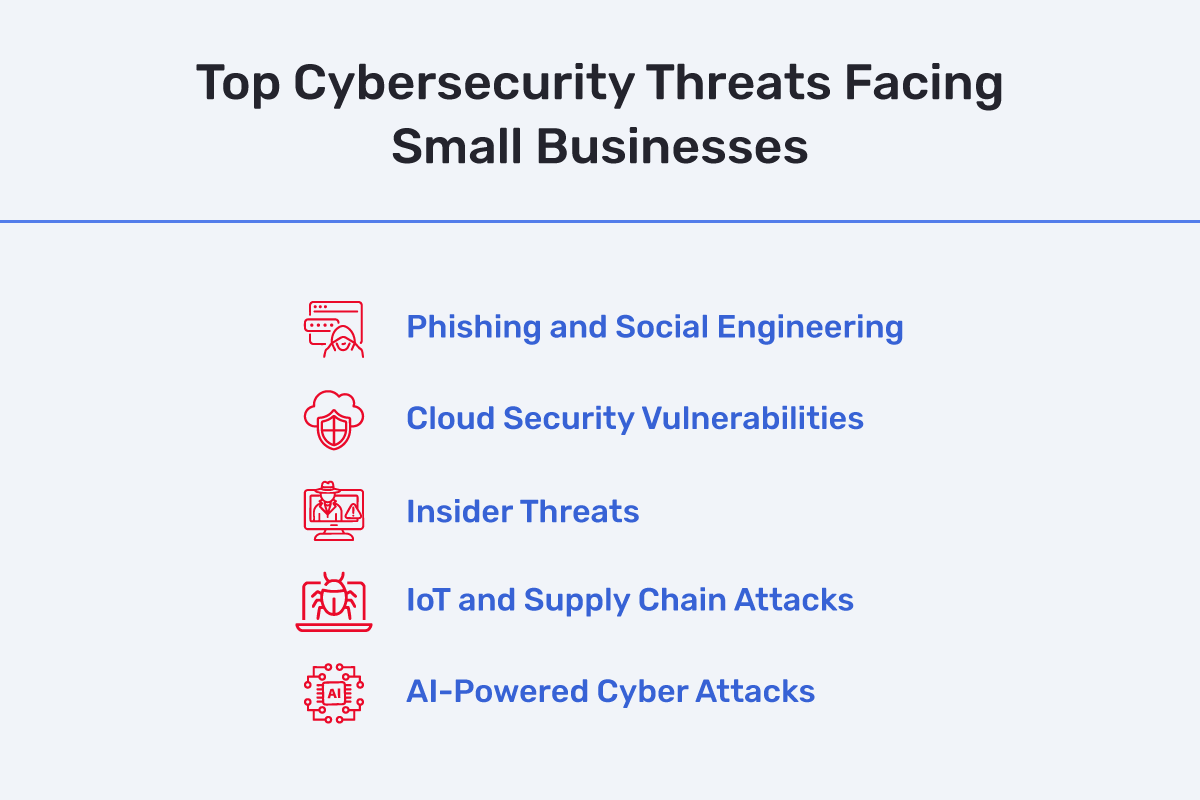
1. Phishing and Email-Based Attacks
Phishing remains one of the most common cybersecurity risks for MSMEs. Employees may unknowingly click on malicious links or share credentials through fake emails that appear legitimate.
Prevention Tips:
- Employee cybersecurity awareness training
- Email security and spam filtering
- Multi-factor authentication (MFA)
2. Ransomware Attacks
Ransomware attacks can encrypt critical business data and demand payment for restoration. MSMEs often lack secure backups, making recovery difficult.
Prevention Tips:
- Regular and secure data backups
- Endpoint protection and antivirus solutions
- Network segmentation
3. Weak Password and Access Controls
Using shared or weak passwords is a major cybersecurity risk for MSMEs, especially when accessing cloud applications and financial systems.
Prevention Tips:
- Strong password policies
- Role-based access control
- Identity and access management solutions
4. Unsecured Networks and Wi-Fi
Poorly secured Wi-Fi networks allow attackers to intercept data or gain unauthorized access to internal systems.
Prevention Tips:
- Firewall implementation
- Secure VPN for remote access
- Network monitoring
5. Outdated Systems and Software
Unpatched systems are easy targets for hackers exploiting known vulnerabilities.
Prevention Tips:
- Regular software updates
- Patch management policies
- Hardware lifecycle planning

How MSMEs Can Reduce Cybersecurity Risks Effectively
Reducing cybersecurity risks for MSMEs does not require massive investment but does require strategic planning.
Key Best Practices
- Conduct periodic IT security assessments
- Implement endpoint, network, and cloud security
- Create a basic incident response plan
- Partner with a managed IT services provider
A proactive approach helps MSMEs detect threats early and respond before damage occurs.
Why Managed IT Services Are Ideal for MSMEs
Managed IT services provide MSMEs with:
- Continuous monitoring
- Access to cybersecurity expertise
- Predictable IT costs
- Faster incident response
For growing businesses, outsourcing cybersecurity is often more cost-effective than building an in-house security team.

Conclusion: Cybersecurity as a Business Priority for MSMEs
Cybersecurity risks for MSMEs are no longer just an IT issue—they are a business risk. From phishing attacks to ransomware and data breaches, the threats are real and increasing. MSMEs that invest in secure IT infrastructure today will be better positioned to grow confidently, maintain customer trust, and avoid costly disruptions.
By understanding the risks and adopting the right preventive measures, MSMEs can transform cybersecurity from a vulnerability into a competitive advantage.

